

Lebanon at a Crossroads in 2025
Introduction
Lebanon continues to confront a multi-layered crisis that has reshaped its economy, politics, and social fabric. After years of financial collapse, conflict, and institutional paralysis, the country’s future now hinges on reform progress, reconstruction efforts, and political stability.
Current Economic Reality
Lebanon’s economy has been in deep contraction for years. According to the World Bank, real GDP contracted sharply in 2024, with cumulative losses since the onset of the crisis in 2019 approaching nearly 40%, reflecting the combined effect of economic mismanagement and conflict-related disruptions. However, modest growth of around 4.7% is projected in 2025, driven by reform momentum, tourism recovery, and increased consumption — though stabilization remains fragile. Meanwhile, the cost of recovery and reconstruction is significant, with estimates suggesting Lebanon may need over $11 billion in financing to rebuild infrastructure and key economic sectors.
Political Shifts and Reform Initiatives
In 2025, Lebanon succeeded in forming a new government after prolonged political deadlock, opening the door for reform efforts intended to restore confidence and unlock international assistance. Significant steps have included the approval of a comprehensive banking restructuring law aimed at protecting depositors and strengthening financial sector transparency, as well as ongoing efforts to negotiate reform engagements with the International Monetary Fund (IMF).
Obstacles and Opportunities
Despite some progress, Lebanon still faces entrenched challenges:
- Unresolved fiscal imbalances and heavy public debt continue to strain public finances. annd.org
- Political fragmentation and institutional weaknesses make sustained reform difficult.
- Conflict impacts — including displacement, infrastructure damage, and service disruptions — linger and complicate recovery plans.
At the same time, improved governance, a rebound in remittances, and international investment could fuel a gradual economic turnaround if sustained reform momentum persists.
Conclusion
Lebanon in 2025 remains at a pivotal moment. While structural reforms and international collaboration offer a path toward recovery, success depends on political stability, pragmatic economic policies, and broad societal support. The journey ahead is likely to be long and challenging, but not impossible.
References
World Bank : Lebanon’s economic contraction and need for reforms & investment.
World Bank outlook projecting real GDP growth in 2025 and challenges.
Overview of the 2025 Lebanese banking reform law.
Analysis on Lebanon’s reform priorities and recovery government goals.
Economic data on debt sustainability and fiscal policy context.
Image references
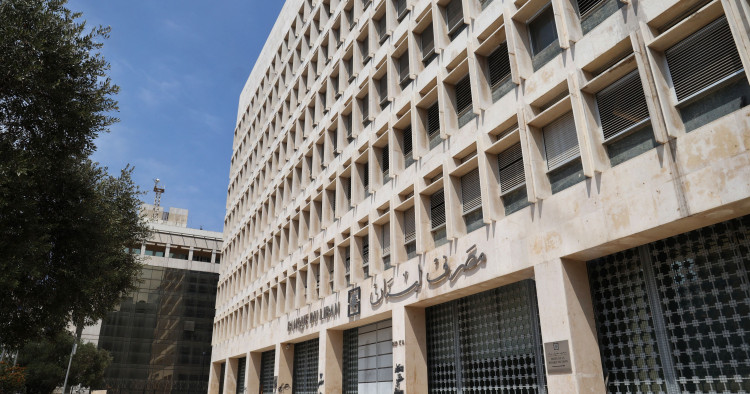
Featured Image : Banque Du Liban
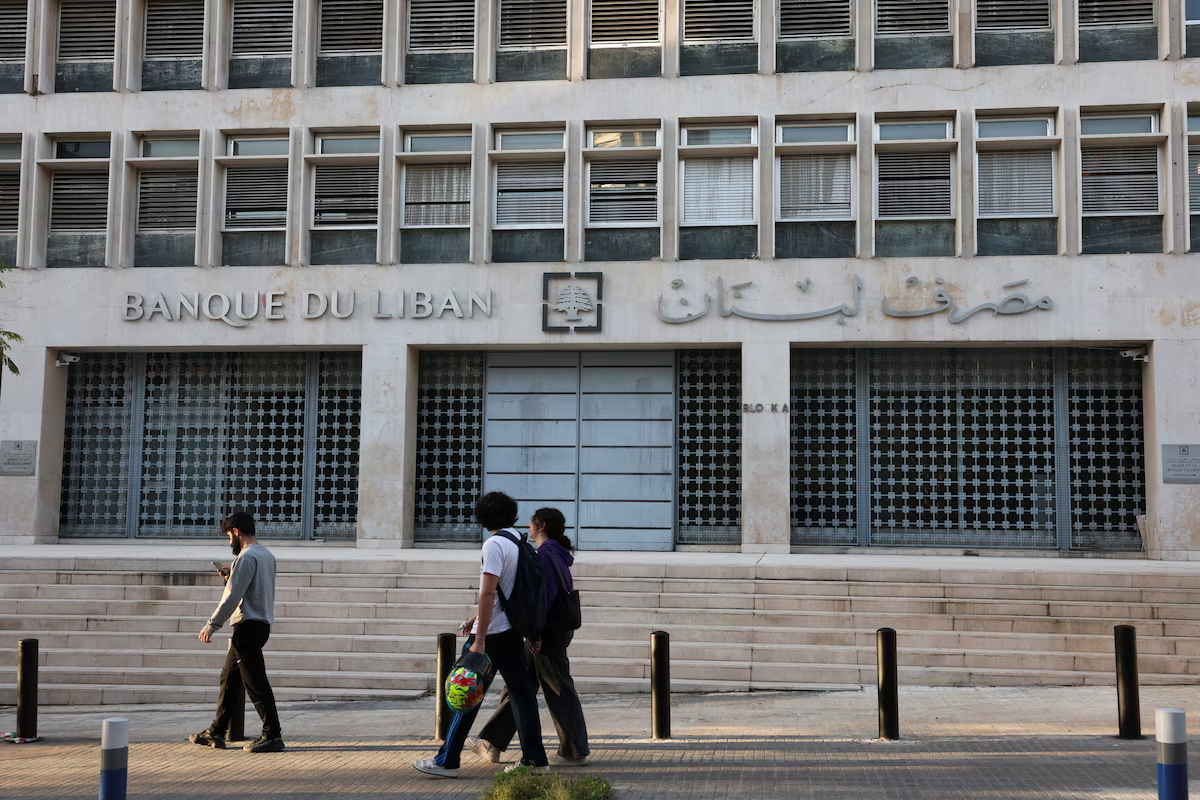
Second Image: Banque Du Liban


Leave a Reply